My nan made rock cakes every single week. They were always sitting on the kitchen bench in a tin when we arrived, never in the fridge, never wrapped up, just there and ready to eat with a cup of tea. She never used a recipe, a handful of this, a splash of that.
Mine took a few attempts to get right because I had to reverse-engineer what she was doing from memory and taste alone. This rock cake recipe is as close as I have gotten. Not identical, because nothing ever is, but close enough that the smell when they come out of the oven takes me straight back to her kitchen.
Crumbly on the outside, soft and fruity in the middle, on the table in under 30 minutes with just a bowl, a fork and a baking tray. The rough, craggy tops are part of the charm, so there is no pressure to make them perfect.
The key ingredients
Cold butter
Must be cold, cut into small cubes before rubbing into the flour. Room temperature butter will not create the same flaky, crumbly texture. According to BBC Good Food, rubbing cold butter into flour until it resembles breadcrumbs creates tiny layers of fat that melt during baking, producing a light and crumbly texture.
Mixed dried fruit
Sultanas, currants and a little mixed peel is the classic choice. The peel adds a subtle citrus note without being obvious. Not a fan of peel, just use sultanas and currants.
Egg and milk
Binds the dough together. Add gradually and stop as soon as it comes together, a rough, shaggy dough is exactly right for rock cakes, not a smooth one.
Ingredients you will need
- 2 cups self-raising flour
- 1/3 cup caster sugar
- 1/2 teaspoon mixed spice
- Pinch of salt
- 80g cold butter, cut into small cubes
- 3/4 cup mixed dried fruit (sultanas, currants, mixed peel)
- 1 large egg
- 3 to 4 tablespoons milk
- 1 teaspoon vanilla extract
Makes 12 rock cakes.
How to make rock cakes step by step
- Preheat your oven to 200 degrees Celsius fan-forced. Line a large baking tray with baking paper.
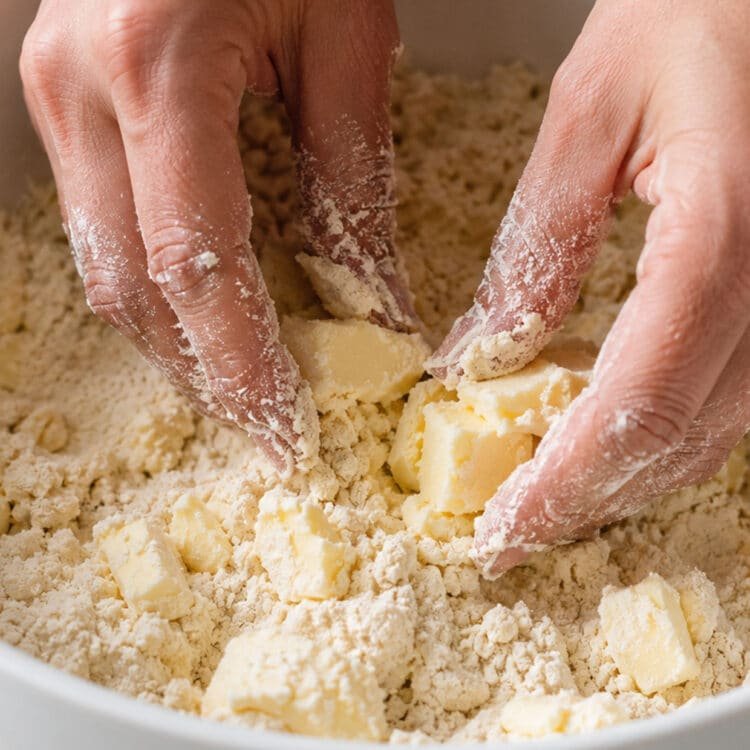
- Sift the self-raising flour, caster sugar, mixed spice and salt into a large bowl. Add the cold butter cubes and rub in with your fingertips until the mixture resembles coarse breadcrumbs. Work quickly so the butter stays cold.
- Stir the dried fruit through until evenly distributed.
- Whisk the egg, vanilla and 3 tablespoons of milk together. Pour over the flour mixture and stir with a fork until a rough, shaggy dough forms. Add the extra tablespoon of milk only if it looks too dry to hold together.
- Do not knead or overwork it. It should look rough and uneven, not smooth.
- Drop heaped tablespoons onto the prepared tray, leaving space between each one. Use two forks or your fingers to roughly shape into mounds. The craggy, uneven surface is the whole point.
- Bake for 12 to 15 minutes until golden and firm to a light touch. Cool on the tray for 5 minutes before transferring to a wire rack.

Rock Cake Recipe
Course: Sweets, Morning TeaCuisine: AustralianDifficulty: Easy4
servings30
minutes40
minutes300
kcal1
hour10
minutesA classic rock cake recipe with cold butter rubbed into self-raising flour, mixed dried fruit and a hint of mixed spice. On the table in under 30 minutes with no special equipment needed.
Ingredients
2 cups self-raising flour
1/3 cup caster sugar
1/2 teaspoon mixed spice
Pinch of salt
80 g cold butter, cut into small cubes
3/4 cup mixed dried fruit (sultanas, currants, mixed peel)
1 large egg
3 to 4 tablespoons milk
1 teaspoon vanilla extract
Directions
- Preheat oven to 200 degrees Celsius fan-forced. Line a baking tray with baking paper.
- Sift flour, sugar, mixed spice and salt into a bowl. Rub in cold butter until mixture resembles coarse breadcrumbs.
- Stir dried fruit through the flour mixture.
- Whisk egg, vanilla and 3 tablespoons milk together. Pour over flour mix and stir with a fork until a rough dough forms. Add extra milk only if needed.
- Drop heaped tablespoons onto the tray. Roughly shape into mounds with two forks. Do not smooth them out.
- Bake for 12 to 15 minutes until golden and firm on top. Cool on tray for 5 minutes then transfer to a wire rack.
Notes
- Keep butter cold: Cold butter is the key to a light, crumbly rock cake. If your kitchen is warm, pop the cubed butter back in the freezer for 10 minutes before rubbing in.
- Do not overwork: Stir only until the dough just comes together. A rough, shaggy dough makes a better rock cake than a smooth one.
- The craggy top is intentional: Rock cakes are supposed to look rough and uneven. That is the whole point and part of why people love them.
- Serve warm: Rock cakes are at their best slightly warm from the oven with a cup of tea. They are good at room temperature too but that first warm bite is hard to beat.
If they go wrong: dense and heavy usually means the butter got too warm, or the dough was overworked, keep everything cold and stop stirring the moment it comes together. Spread flat in the oven means too much liquid, add the milk gradually next time. Too dry means overbaked, check from 12 minutes, they should still have a little give when pressed.
Variations to try: swap the dried fruit for dark chocolate chips and a tablespoon of cocoa in the flour. Or dried cranberries with a lemon zest for something brighter. Or half apple, half fruit with extra cinnamon for something warmer in the cooler months.
Storage: keeps in an airtight container at room temperature for up to 4 days, my nan kept hers in a tin on the bench and they were always fine. Freezes well for up to 2 months. Warm briefly in the oven to refresh, never the microwave.
Recipes you might like
Frequently asked questions
Why are they called rock cakes?
Rock cakes get their name from their rough, craggy appearance rather than their texture. A good rock cake should be crumbly and light inside, not hard. The uneven surface is formed by dropping the dough in rough mounds rather than shaping it smoothly.
Can I make rock cakes without dried fruit?
Yes. The dried fruit can be replaced with chocolate chips, chopped dried apricots, dried cranberries or even fresh blueberries. The base dough works well with almost any mix-in.
Can I use plain flour instead of self-raising?
Yes. Add 2 teaspoons of baking powder per cup of plain flour as a substitute. Sift it through well so it is evenly distributed before you add the butter.
Rock cakes are one of those bakes that ask almost nothing of you and deliver something genuinely good every time. Some things are simple for a reason.
Happy cooking from my Newcastle kitchen.
Ella x