This beef cheeks recipe turns a cheap, tough cut into spoon-tender meat in a rich red wine sauce. It takes time, but very little work.
You can cook it in the oven, a slow cooker or a pressure cooker. The method is the same: sear, braise, then finish the sauce.
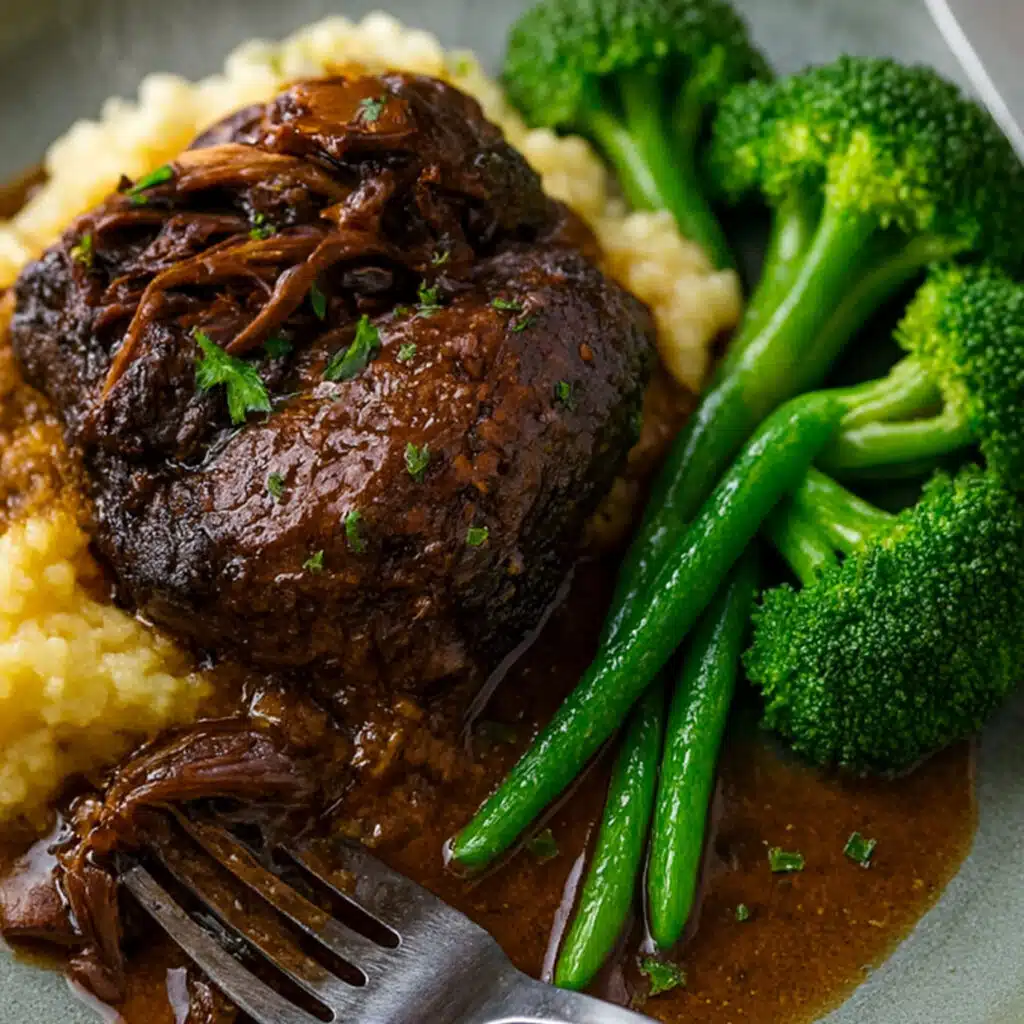
Table of Contents
Why beef cheeks go so tender
Beef cheeks are full of connective tissue. Cook them fast and they’re tough. Cook them low and slow, and that tissue melts into gelatine. That’s what braising does, and it’s why the meat goes soft and the sauce turns glossy.
They’re also a cheaper cut, which makes them a great choice for a special dinner on a budget.
Stage 1: trim and sear
Ask your butcher for whole cheeks, around 250 to 350 g each. Trim off the shiny silver skin with a small sharp knife, as it won’t soften during cooking. Leave the fine fat.
Cut very large cheeks in half, pat them dry and season well. Sear in batches until deep brown on both sides. Don’t rush this. The brown crust is where the flavour comes from.
Stage 2: braise low and slow
Soften the onion, carrot, celery and garlic, then add tomato paste and smoked paprika. Pour in red wine, scrape up the brown bits, and add stock, Worcestershire sauce, balsamic and brown sugar.
| Method | Time |
|---|---|
| Oven at 160°C | About 3 hours |
| Slow cooker | 8 hours on low, or 5 to 6 hours on high |
| Pressure cooker | 40 minutes, plus 15 minutes natural release |
They’re ready when a spoon slides in with no resistance. If they’re still firm, give them another 20 to 30 minutes.
Stage 3: finish the sauce
Lift out the cheeks and simmer the liquid until it coats the back of a spoon. Stir in cold butter, then lemon zest and parsley to brighten it.
Put the cheeks back and gently coat them in the sauce.
Beef Cheeks Recipe
Course: MainCuisine: AustralianDifficulty: Easy6
servings20
minutes8
hours300
kcal8
hours20
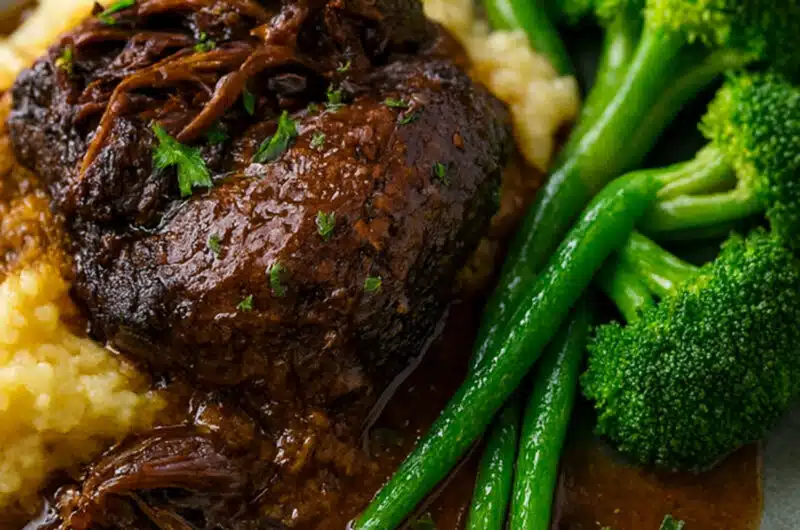
minutesBeef cheeks seared then slowly braised in red wine and stock until spoon tender. The sauce is reduced to a glossy glaze and finished with lemon and parsley.
Ingredients
- Beef and Aromatics
1.8 to 2 kg beef cheeks, trimmed and cut into palm-size pieces
2 teaspoons fine salt, plus more to taste
1 teaspoon cracked black pepper
2 tablespoons plain flour, optional for light dusting
3 tablespoons olive oil, divided
1 large onion, finely chopped
2 medium carrots, diced
2 celery ribs, diced
6 garlic cloves, minced
2 tablespoons tomato paste
1 teaspoon smoked paprika
2 bay leaves
4 to 5 sprigs thyme or 1 teaspoon dried thyme
- Braising Liquid
1.5 cups dry red wine
2.5 cups beef stock
1 tablespoon Worcestershire sauce
1 tablespoon balsamic vinegar
1 tablespoon brown sugar
- Finish
2 tablespoons cold butter
1 tablespoon lemon zest
2 tablespoons chopped flat-leaf parsley
Optional splash of cream for a richer sauce
Directions
- Oven Braise Method
- Prep the cheeks. Pat the beef cheeks dry. Season with salt and pepper. Lightly dust with flour if using.
- Sear. Heat 2 tablespoons olive oil in a heavy pot over medium-high heat. Sear the cheeks in batches until a deep brown crust forms on both sides, about 3 to 4 minutes per side. Transfer to a plate.
- Build the base. Reduce heat to medium. Add the remaining oil. Sauté onion, carrot and celery with a pinch of salt for 7 to 8 minutes until soft and golden at the edges.
- Add garlic and tomato paste. Stir in garlic for 1 minute. Add tomato paste and smoked paprika. Cook 1 to 2 minutes until the paste darkens slightly.
- Deglaze. Pour in red wine. Scrape up any browned bits. Simmer 2 to 3 minutes to let the alcohol evaporate.
- Braise. Add stock, Worcestershire, balsamic, brown sugar, bay leaves and thyme. Return cheeks and any juices to the pot. Liquid should almost cover the meat. If not, add a splash more stock or water.
- Cook low and slow. Bring to a gentle simmer. Cover with the lid and transfer to a 160°C oven. Cook for about 3 hours, turning the cheeks once, until a spoon slides in with no resistance.
- Reduce the sauce. Remove the cheeks to a warm plate and tent loosely with foil. Discard bay leaves and herb stems. Simmer the braising liquid on the stovetop for 10 to 15 minutes until it coats the back of a spoon.
- Finish. Swirl in cold butter. Taste and adjust seasoning. For brightness, stir in lemon zest and parsley at the end. Return the cheeks to the pot, gently fold to glaze, and serve.
- Slow Cooker
- Follow steps 1 through 5 in a skillet or pot.
- Transfer everything to a slow cooker along with stock, Worcestershire, balsamic, sugar, bay and thyme.
- Cook on low for 8 hours or high for 5 to 6 hours until cheeks are very tender.
- Pour the cooking liquid into a saucepan and reduce to a glaze. Finish with butter, lemon zest and parsley, then return to the slow cooker to coat the cheeks.
- Pressure Cooker Variation
- After searing and building the base, lock the lid and cook at high pressure for 40 minutes. Natural release for 15 minutes. Reduce and finish the sauce as above.
Notes
- Trimming: remove the silver skin. It doesn’t break down during cooking and makes the meat chewy.
- Wine: any dry red works. Shiraz and cabernet are both great choices. Only have white? Use it with an extra teaspoon of tomato paste.
- Make ahead: this tastes even better the next day. Chill overnight, scrape off the hard fat, then reheat gently.
- Serving ideas: creamy mash, buttered polenta, risotto, crusty bread or pappardelle, with a rocket salad on the side.
- Quick gremolata: mix chopped parsley, lemon zest and a small minced garlic clove and sprinkle over each plate.
- Spiced version: add 1 teaspoon ground coriander and a cinnamon stick to the braise, then finish with orange zest.
- Stout: swap half the wine for a malty stout for a deeper flavour.
Easy swaps
- No wine: use extra stock plus 2 tablespoons balsamic, or 1 tablespoon red wine vinegar and 1 tablespoon soy sauce.
- Gluten free: dust the cheeks in rice flour or cornflour instead of plain flour.
- No fresh herbs: use dried thyme and bay leaves, then finish with parsley or chives.
- Stock: beef stock is best, but chicken stock works too.
Beef cheeks troubleshooting
- Still firm: keep cooking. Add 20 to 30 minutes and check again.
- Thin sauce: take the cheeks out and simmer the sauce until glossy.
- Too salty: add a splash of water and a knob of unsalted butter.
- Too fatty: chill overnight, lift off the hard fat, then reheat.
Flavour variations
- Beer and Vegemite: swap half the wine for dark beer and whisk 1 teaspoon Vegemite into the stock.
- Soy and star anise: replace the wine with stock and 4 tablespoons soy sauce. Add 2 star anise and ginger. Serve with rice.
- Mediterranean: add orange zest, a cinnamon stick and green olives for the last 30 minutes.
- Tomato and rosemary: use passata instead of wine and add rosemary. Serve on polenta.
What to serve with beef cheeks
Creamy mash, soft polenta, buttered pappardelle or crusty bread. Add something fresh, like green beans with almonds or a rocket salad with lemon.
A Barossa shiraz or a malty stout goes well alongside.
Make ahead and storage
Beef cheeks taste even better the next day. Keep them in the fridge for up to 4 days, or freeze with the sauce for up to 3 months. Reheat gently on the stove, adding a splash of stock if the sauce is too thick.
Cooking for a crowd? Use two pots so the meat isn’t crowded when searing.
Recipes you might like
Frequently asked questions
What are beef cheeks?
The cheek muscle of the cow. Slow cooking turns them very soft.
How long do beef cheeks take to cook?
About 3 hours in a 160°C oven, or 8 hours on low in a slow cooker. They’re ready when a spoon slides in easily.
Can I make this beef cheeks recipe without wine?
Yes. Use extra stock plus balsamic, or red wine vinegar and soy sauce.
What do you serve with beef cheeks?
Mash or polenta, plus something green.
Can I shred beef cheeks for pasta or pies?
Yes. Shred the meat, thicken the sauce and toss through pasta or use as a pie filling.
This beef cheeks recipe takes patience, not skill. Sear well, cook low and slow, and finish the sauce with a little butter and lemon.
Enjoy,
Ella x